A Traditional Home Remedy for Respiratory & Asthma Comfort
A handed-down kitchen remedy that uses five everyday ingredients — ginger, lemon, mint, bitter gourd and black pepper — to ease seasonal congestion and support easier breathing. Read this the way it was meant: a comforting daily drink used ALONGSIDE your doctor’s treatment, never in place of your inhaler or medicine.
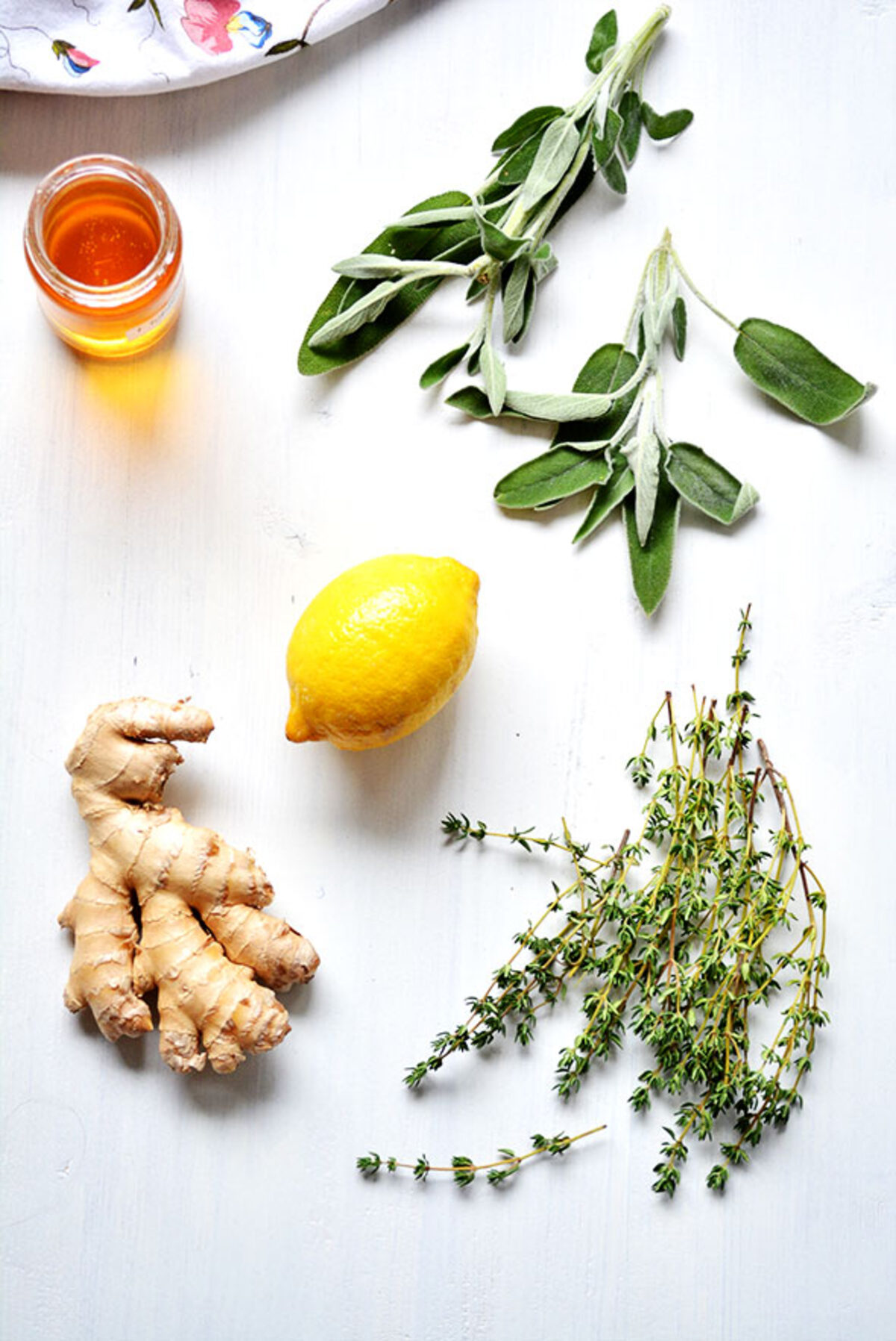
What goes in it — and why
- Ginger (Adrak) — A warming root traditionally used to soothe the throat and help loosen congestion; its gingerols are studied for anti-inflammatory activity.
- Lemon (Nimbu) — A source of vitamin C, traditionally added to cut through mucus and freshen a heavy chest.
- Mint (Pudina) — Its menthol gives that cooling, "airways-opening" feel; long used in folk practice for congestion relief.
- Bitter gourd (Karela) — A bitter tonic green valued across traditional Indian kitchens as a cleansing, strengthening vegetable.
- Black pepper (Kaali mirch) — A warming spice whose piperine is traditionally used to help loosen phlegm and carry the other herbs through the body.
How to make it
Take fresh ginger, a lemon, a handful of mint leaves, some bitter gourd, and a little black pepper.
Add them all to a large bottle of clean drinking water and mix well.
Keep the bottle in the fridge and let it infuse for about 24 hours before you start.
From the next day, drink one glass in the morning and one in the evening.
Continue for about 5–6 days. Make a fresh bottle rather than letting one sit too long.
How to use it
- Treat it as a supportive daily drink during a congested spell — not a medicine you dose by the clock.
- Start with a small glass to see how your body and stomach take the bitter gourd and pepper.
- Keep it fresh and refrigerated; discard if it smells or tastes off.
Where it comes from
In many Indian farm and village households, the response to a heavy, congested chest was never a shelf of pills — it was the kitchen. Ginger, lemon, mint and pepper were always on hand, and bitter gourd grew on the fence.
These ingredients are used food-first: warming, throat-soothing, mucus-cutting — the everyday comfort measures families reached for during a change of season.
It is shared here as living tradition, honestly — what people have long used, not a clinical claim about what it treats.
Important — safety & who should check first
- This is a traditional comfort drink made of foods. It is NOT a treatment for asthma and NOT a substitute for your reliever/preventer inhaler or any medicine your doctor prescribed. Asthma can be life-threatening — always keep your inhaler and use it exactly as directed.
- Get medical help immediately if: you are breathless at rest, your inhaler is not helping, you cannot speak full sentences, or your lips/fingertips look blue. Do not wait on a home remedy in an emergency.
- Bitter gourd can lower blood sugar — if you are diabetic or on blood-sugar medication, check with your doctor first and monitor your levels.
- If you are pregnant or breastfeeding, on any regular medication, or prone to allergies, speak to a doctor before starting. Introduce it gradually and stop if you react.
Why you can trust this page
This remedy comes from real handed-down knowledge in the writer’s family and farming community, where these kitchen herbs have long been the first comfort for a congested chest. We share it as genuine tradition — used together with proper medical care, never instead of it. Our honesty is the whole point: we would rather you breathe safely than believe a drink can replace your inhaler.
Sources & further reading
- NIH / PubMed — ginger (Zingiber officinale) anti-inflammatory research
- NIH / PubMed — peppermint / menthol and respiratory research
- Asthma general information — when to seek emergency care
Editorial reference on traditional practice, not medical advice. It does not diagnose, treat, cure, or prevent any disease, and it is not a substitute for professional care or prescribed medicine. Last updated 2026-07-15.