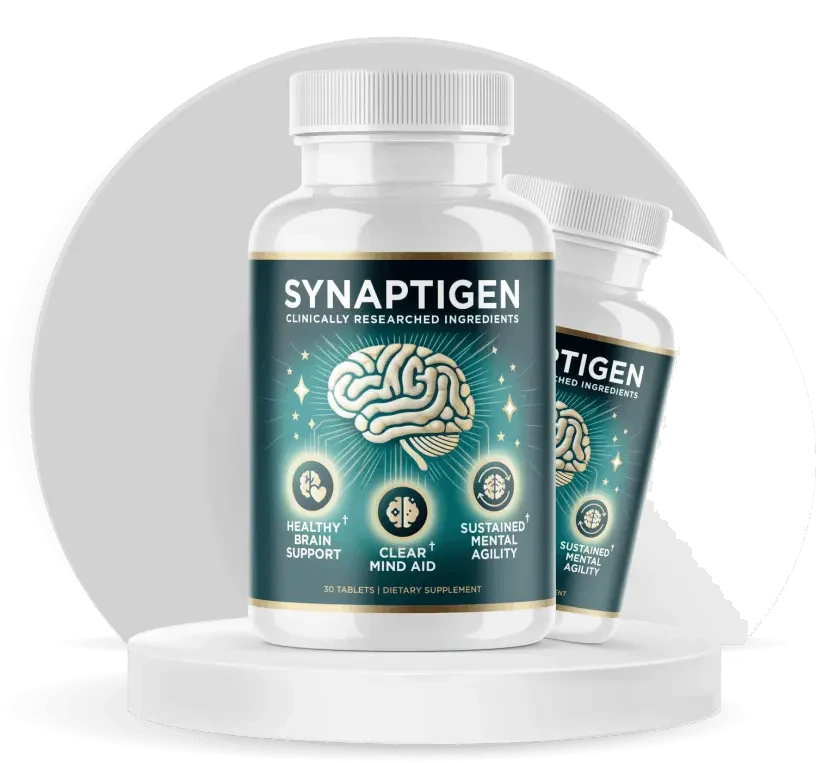
Cognitive SupportSynaptigensynaptigen.suplements.store
Synaptigen premium buyer guide with product-specific source assets, official buying checks, ingredient verification, realistic expectations, and safety notes.
Focus, memory, mental clarity
The cognitive-support category — sometimes labeled "nootropics" — sits at the intersection of legitimate neuroscience and aggressive marketing. The well-studied compounds (omega-3 DHA, B-vitamin complexes, lion’s mane, bacopa monnieri, citicoline) have real but modest effects on attention, recall, and processing speed. The marketing copy in this category, however, frequently veers into "limitless pill" territory that no actual ingredient can support. Our buyer guides focus on formulations with realistic claims, transparent dosing, and ingredient profiles that don’t bury sub-clinical doses of 15 different "smart drugs" in a proprietary blend. Buyers here are typically professionals or students looking for an edge in focus or memory, or older adults working to maintain cognitive baseline — both legitimate use cases that deserve credible product options.
The most evidence-backed individual ingredients are: citicoline (CDP-choline) at 250–500 mg for attention and processing speed; bacopa monnieri (Bacognize standardized extract) at 300 mg for memory consolidation (effects build over 8 to 12 weeks); lion’s mane extract at 500–1000 mg for nerve-growth-factor support (more speculative but increasingly studied); L-theanine (200 mg, often paired with caffeine for clean focus without jitters); phosphatidylserine (100 mg) for memory and cortisol regulation; and omega-3 DHA (1000 mg+) for long-term cognitive maintenance. B-vitamin complexes — especially methylated B12 (1000 mcg) and methylfolate (400 mcg) — matter more than most copy admits, since deficiency in either correlates with cognitive symptoms. Adaptogen layer: ashwagandha (KSM-66 600 mg) and rhodiola rosea (200–400 mg standardized to 3% rosavins) support stress-driven cognitive symptoms. Avoid mega-doses of caffeine masquerading as nootropic effect — anything claiming "cleaner focus than coffee" is usually 200 mg of caffeine plus theanine, sold for 10x the price. Refund window of 60 to 90 days is appropriate; cognitive shifts at the memory level are subtle and need consistent measurement.
Every product below has passed our four-screen audit: official-source verification, ingredient-dose disclosure, U.S. GMP-facility confirmation, and refund-window honesty.
Synaptigen premium buyer guide with product-specific source assets, official buying checks, ingredient verification, realistic expectations, and safety notes.
We don’t feature products that imply prescription-stimulant-class effects ("Adderall alternative," "modafinil natural"). We reject formulations with under-dosed proprietary blends — a "Brain Boost Matrix 1500 mg" containing 15 ingredients tells you nothing about effective dosing. We screen out racetam-class compounds (piracetam, aniracetam, phenylpiracetam) which are not legal for sale as dietary supplements in the U.S. and yet appear in some products marketed online. We also reject products whose copy leans heavily on cherry-picked single-study results misrepresented as broad scientific consensus.
Direct answers to the questions buyers most commonly ask us about cognitive support supplements.
Same-day effects: L-theanine + caffeine combinations, citicoline, rhodiola. 2 to 4 week onset: phosphatidylserine, ashwagandha, lion’s mane. 8 to 12 week onset for memory-specific effects: bacopa monnieri, omega-3 DHA. Match your expectation to the ingredient mechanism.
The well-studied compounds (omega-3, B vitamins, citicoline, bacopa, lion’s mane) have decent long-term safety profiles at studied doses. Caffeine-heavy "nootropics" are different — tolerance builds, sleep architecture suffers, and the cognitive benefit diminishes over months of daily use.
They are not a substitute for prescription ADHD medication when clinically indicated. Some buyers with mild attention concerns find L-theanine + caffeine, citicoline, or omega-3 DHA helpful as a daily supportive layer. Coordinate any addition with your prescribing physician if you take stimulant medication.
Bacopa monnieri is best-studied for memory consolidation and recall, with effects that build over 8 to 12 weeks of daily use. Lion’s mane is a medicinal mushroom whose extracts support nerve-growth-factor pathways — the evidence base is younger but interesting, especially for older buyers concerned about cognitive aging.
No supplement raises baseline intelligence. The realistic ceiling for well-studied cognitive supplements is modest improvements in attention, working memory, processing speed, and stress resilience — all of which can translate to better day-to-day cognitive performance. Anyone claiming more is overselling.
Adaptogens (ashwagandha, rhodiola) are sometimes cycled 5 days on, 2 days off, or 60 days on / 1 week off, to maintain sensitivity. Most well-studied non-adaptogen ingredients (omega-3, B vitamins, citicoline) don’t require cycling. Caffeine-containing products benefit from periodic breaks to reset tolerance.
The buyer guidance on this page is informed by peer-reviewed research. Linked sources open in a new tab and are externally hosted by NIH, NCBI, and PubMed.